

01
Where can community solar make the greatest near-term contribution to meeting growing electricity demand and reducing pressure on the grid?
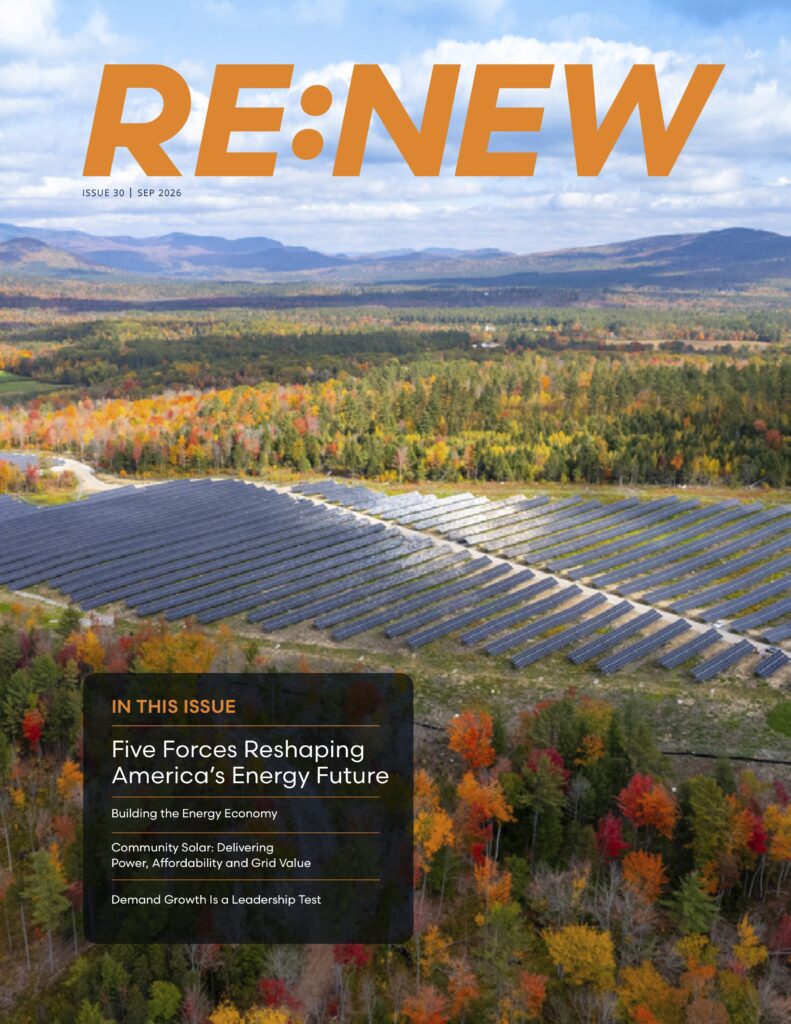
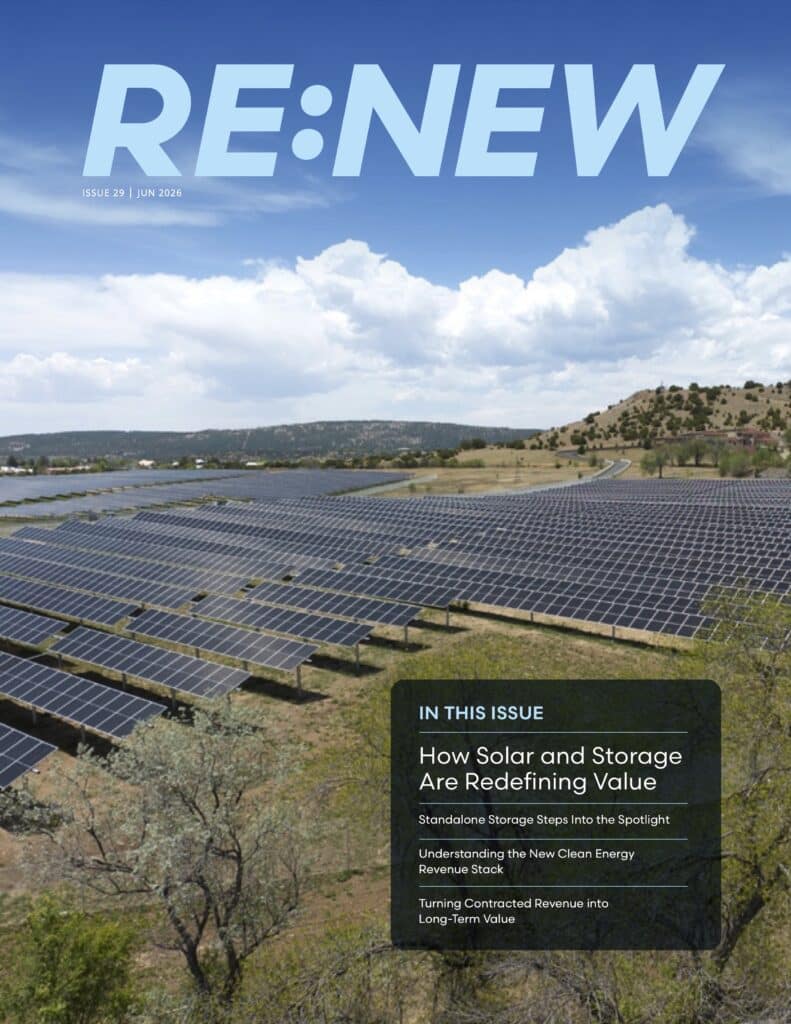
Community solar is one of the most effective tools we have to meet rising energy demand while keeping energy affordable for families who need it most. It provides the grid capacity, congestion relief, locational and resilience value, and critically, speed to power, with quicker timelines to build and interconnect than many large-scale resources. These benefits are particularly valuable in states where demand is outpacing supply due to electrification, AI and data center growth, and where customers are facing the biggest rise in energy bills. It also offers customers an extremely valuable tool to immediately lower the burden of rising electricity prices with guaranteed bill savings. We have an important opportunity to design community solar programs tailored to each state’s unique needs.
02
What changes in utility planning, program design or regulation are needed to expand community solar access while keeping energy affordable?
Regulators and utilities continue to be challenged by how best to address significant demand growth and skyrocketing energy costs. First, states must recognize distributed resources as legitimate capacity assets that work for the grid and consumers, especially when paired with storage.
To quickly expand access to community solar, states should focus on private investment and the competitive market. There are billions of dollars in private capital waiting at the ready to invest in our grid. Utilities and regulators should allow projects to compete based on the measurable value they offer, including capacity, congestion relief and reduced grid costs, and the project’s overall grid impact. Utilities can identify where the grid needs additional capacity, developers can compete to meet those needs, and regulators can ensure a fair process.
03
If you could change one thing today to help America bring new energy resources online faster while protecting reliability and affordability, what would it be?
Cut unnecessary red tape, and allow fast to deploy resources like community-scale solar and storage to deploy and be compensated for the value they provide. The devil is certainly in the details, and there are a lot of them. But there’s also a significant amount we can do now regardless of market type to address the affordability and capacity crisis with these resources. The industry surpassed 10GW of community solar last year, and we’re tracking to hit 20GW by 2030. This growth is double the rate of growth typical in a technology deployment cycle. But we need more policies that enable that recognition, more studies outlining the benefits, and broader support from environmental advocates, consumer groups, labor, farmers and voices across the political spectrum.
Q3 2026 RE:NEW.
More Recent Blog Posts
When a Storage Vendor Exits, What Happens to the Asset?
November 10, 2026
Jay Smith · 2 min read
Building The Energy Economy: What Rising Power Demand Means for Project Development and Investment
November 2, 2026
Seth Adams, Senior Vice President of Construction · 6 min read
Power Under Pressure: Five Forces Reshaping America’s Energy Future
October 21, 2026
Rick Berube · 7 min read
Copicut Community Solar + Storage
September 8, 2026
Standard Solar · < 1 min read
Share